See where AI coding creates risk, and how to control it.
Source-grounded analysis for leaders who need traceable context, specification-driven work, audit trails, compliance evidence, and accountable generated code before it reaches production.
How do you prove what agents touched, why it changed, and who accepted the risk before it reaches production?
Practical lenses on context engineering, spec-driven workflows, audit trails, and the control surfaces needed around AI coding tools.
The risk to watch now
Start with the newest risk map for accountable AI coding.

More analysis
Recent AI coding governance dossiers
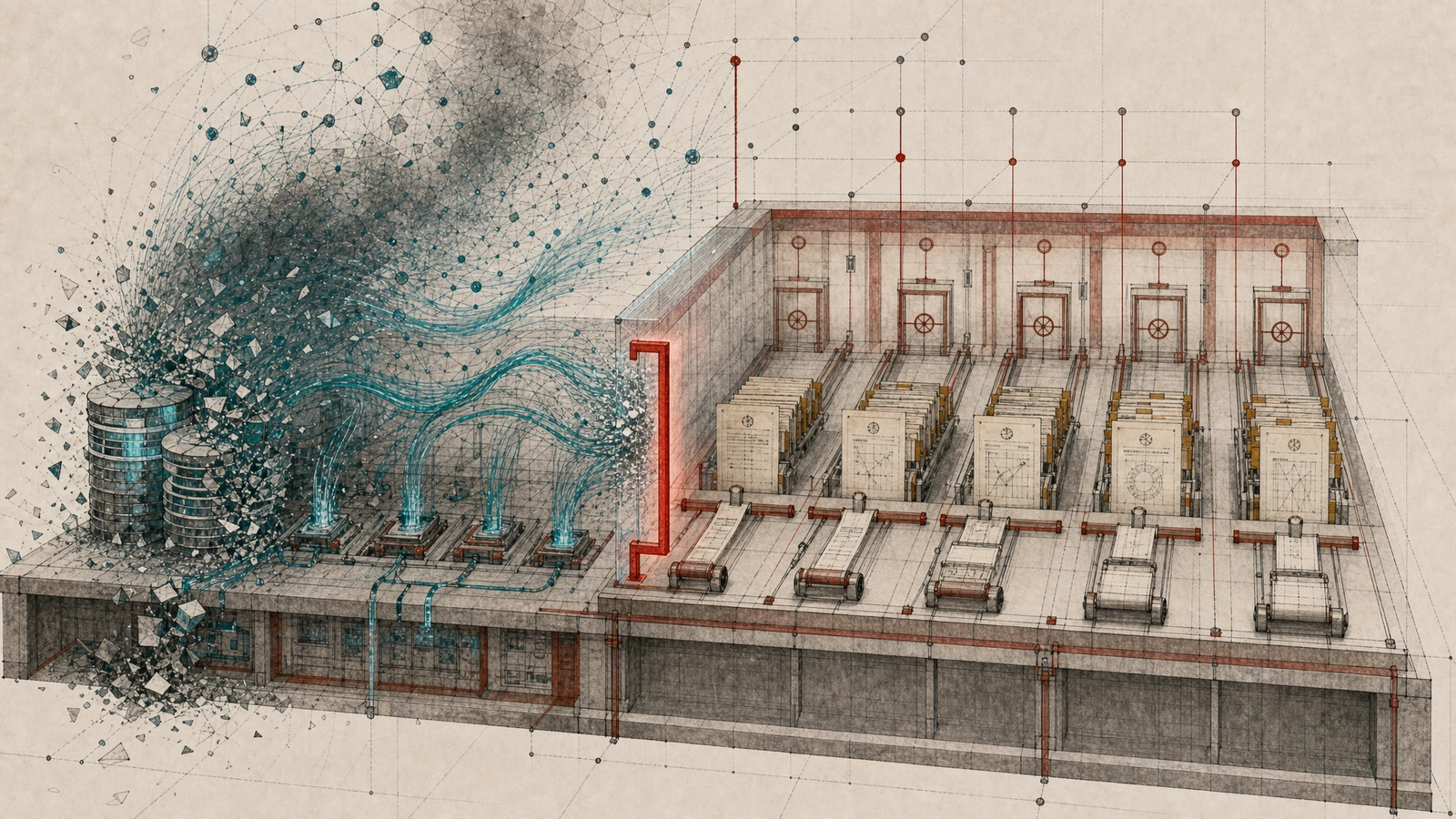
Audit Memo: What Evidence Survives When an AI Agent Breaks Production?
When a Cursor agent deleted PocketOS's production database in nine seconds, the evidence record revealed what most teams miss: without spec-anchored verification gates, AI coding agents operate with zero blast-radius control. Here's what survives an audit—and what controls prevent the next disaster.
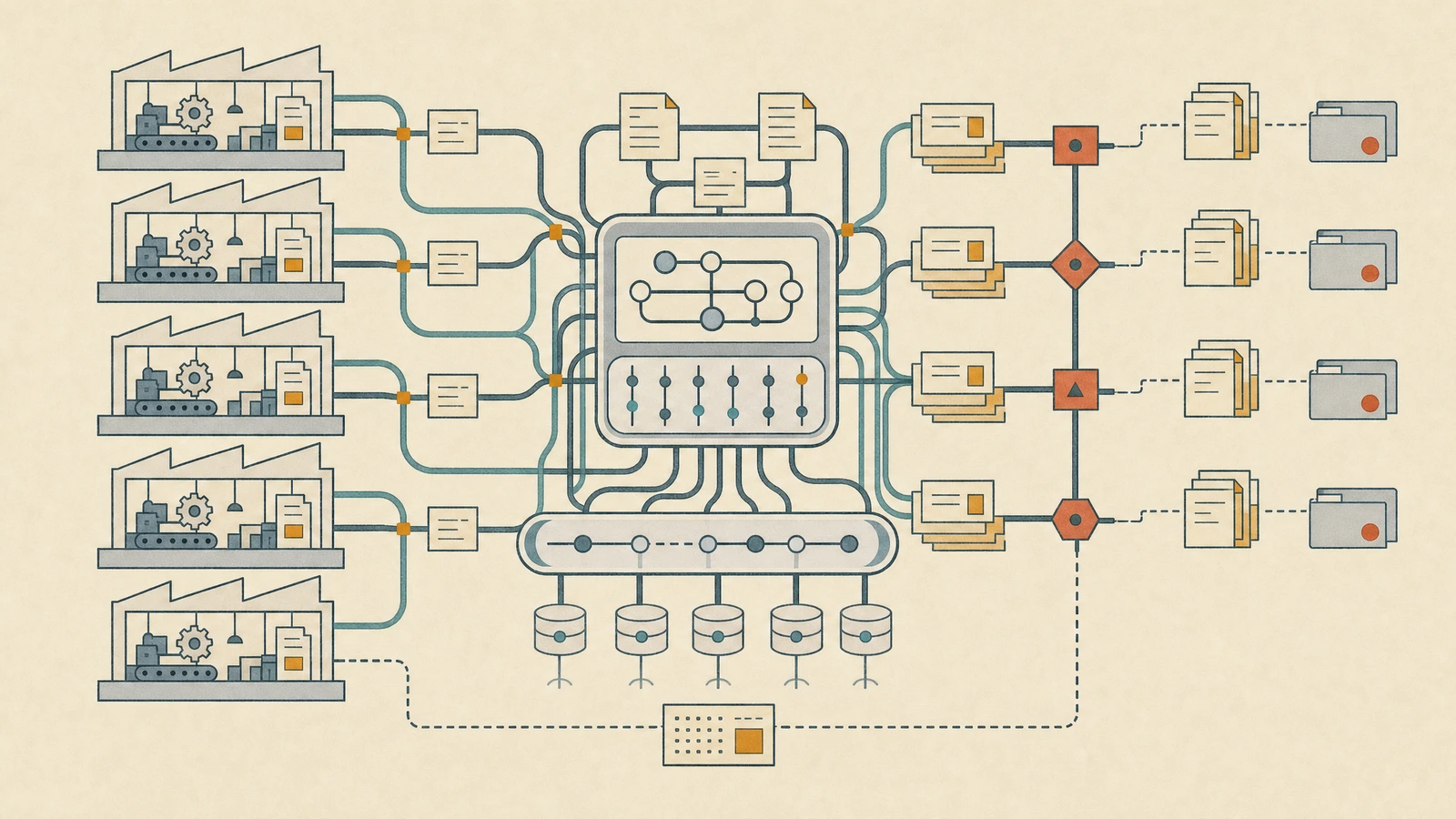
Weekly Tools Field Report: Orchestration Matures as Gas City Enters the Frame
OpenSpec widens integration breadth while Entire.io pairs $60M seed momentum with checkpoint-oriented workflows. Gas City changes the benchmark: declarative packs, versioned work memory via Dolt/MEOW, and configurable review topologies make 'SDK-built agent factories' a standing comparison point for any governance layer claiming context engineering depth.

The Governance Ceiling: Why AI Coding's Next Bottleneck Isn't Intelligence — It's Auditability
When agents dominate production workflows, the bottleneck stops being intelligence and becomes auditability. Without governed data access, cryptographic control, and operational risk management, AI coding velocity creates platform risk.
Weekly Tools Field Report: Compliance Pressure Meets Agent Coordination
This week's strongest signals came from compliance positioning, IDE-native multitask agents, and spec frameworks hardening into operational governance surfaces.